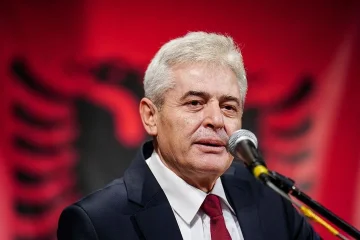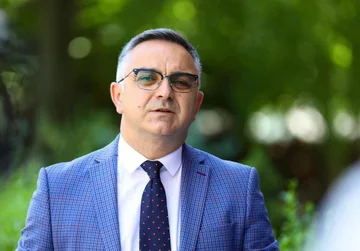
Democratic Party of Kosovo (PDK) MP Sala Jashari has proposed a resolution in the Kosovo Assembly calling for urgent measures to ensure an uninterrupted supply of essential medicines for oncology patients.
The proposed resolution calls on the Ministry of Health and the University Clinical Hospital Service of Kosovo (SHSKUK) to take measures to prevent treatment interruptions due to medicine shortages.
Jashari called on the Ministry of Health to submit a full report to the Assembly within 15 days of the resolution’s adoption, covering the period from January 1 to October 22, 2026, and listing the oncology medicines that were unavailable, the duration of the shortages, the number of patients affected, the causes, and the status of procurement procedures.
“The Assembly of the Republic of Kosovo calls on the Ministry of Health and SHSKUK to immediately take all legal and administrative measures to guarantee an uninterrupted supply of essential medicines for oncology patients and prevent treatment interruptions due to stock shortages. Within 15 days of the adoption of this resolution, the Ministry of Health shall submit to the Assembly a full report covering the period from January 1 to October 22, 2026, with a list of the oncology medicines that were unavailable, the duration of the shortages, the number of patients affected, the causes of the shortages, and the status of procurement procedures,” she said.
The resolution also provides for the establishment of an early-warning mechanism and the setting of minimum safety-stock levels for critical oncology medicines, so that procurement procedures begin before supplies reach a critical level.
Jashari also proposed that, within 30 days, the Ministry of Health analyze the legal and financial basis for establishing a mechanism to consider reimbursement of documented expenses incurred by patients who bought essential-list medicines themselves because they were unavailable in the public system.
“The Ministry of Health and SHSKUK shall establish and implement an early-warning mechanism and minimum safety-stock levels for critical oncology medicines, with clearly assigned responsibilities and deadlines for initiating procurement procedures before stocks reach a critical level. The Ministry of Health shall analyze the legal and financial basis and, within 30 days, report to the Assembly on the possibility of establishing a mechanism to consider reimbursement of documented expenses incurred by patients who were forced to buy essential-list medicines themselves because they were unavailable in the public system,” she said.
The proposal also includes identifying institutional responsibility for failures or delays in planning, procurement, and the supply of palbociclib, biomycin, and other oncology medicines that were unavailable during 2026.
“The Ministry of Health shall identify institutional responsibility for failures or delays in planning, procurement, and the supply of palbociclib, biomycin, and other oncology medicines that were unavailable during 2026, and inform the Assembly of the measures taken. SHSKUK shall continue and standardize the regular, accessible, and updated publication of essential-medicine stock levels at the oncology clinic, including notices of expected shortages and the estimated supply date. The Parliamentary Committee Responsible for Health shall monitor the implementation of this resolution and, within 60 days, inform the Assembly of the level of its implementation,” she said.
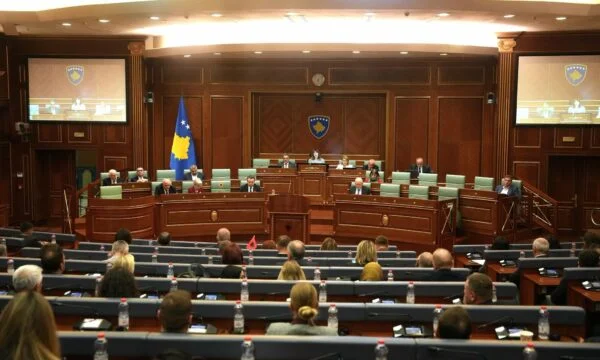
However, the resolution was not put to a vote due to a lack of quorum. For this reason, the Speaker of the Assembly decided to suspend the session until 16:30.