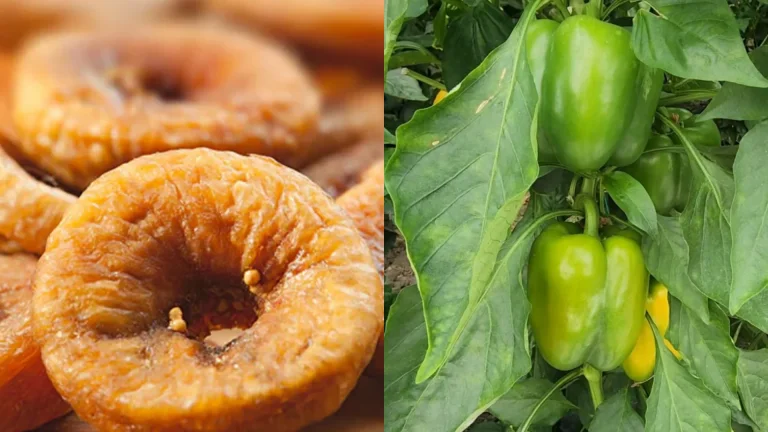
Croatia has once again blocked Albanian agricultural products.
This time, Croatian authorities have stopped two shipments, one of dried figs and another of peppers, after laboratory tests detected high levels of aflatoxins and pesticides, exceeding the permitted limits.
According to data published on October 26 in the European Rapid Alert System for Food and Feed, RASFF, dried figs originating from Albania were found to contain aflatoxins at 375% above the permitted level.
Specifically, the maximum permitted limit for total aflatoxins in dried figs is 10 micrograms per kilogram, while laboratory tests detected a concentration of 47.5 micrograms per kilogram.
But the violation does not end there. The same shipment was also found to contain aflatoxin B1, one of the most dangerous toxins produced by mold, known for its carcinogenic properties, particularly the risk of liver cancer.
Here, too, the results are alarming. The concentration of aflatoxin B1 was found to be 515% above the permitted limit.
While the maximum limit is 6 micrograms per kilogram, tests detected 36.9 micrograms per kilogram.
Because of these results, Croatian authorities ordered the dried fig shipment to be destroyed.
But food safety checks in Croatia have also uncovered problems with Albanian vegetables. Another shipment of red peppers was blocked after tests detected residues of the pesticide chlorfenapyr, a substance used to combat insects and plant pests.
According to RASFF data, the presence of this pesticide was found to be 420% above the maximum permitted limit.
Specifically, the permitted limit is 0.01 milligrams per kilogram, while tests detected a concentration of 0.052 milligrams per kilogram.
Both cases were identified during border checks in Croatia and reported to the European RASFF system.
Meanwhile, the National Food Authority has yet to publicly clarify what checks were carried out in Albania in relation to these two cases and whether measures have been taken against the responsible businesses.
It is also unclear what measures have been taken regarding the shipment of peppers blocked in Croatia.
These cases raise another important question: If Albanian products are found to contain substances exceeding permitted levels during checks at the borders of the European Union, what assurances do consumers have about the safety of the dried figs and peppers sold on the domestic market?/tch