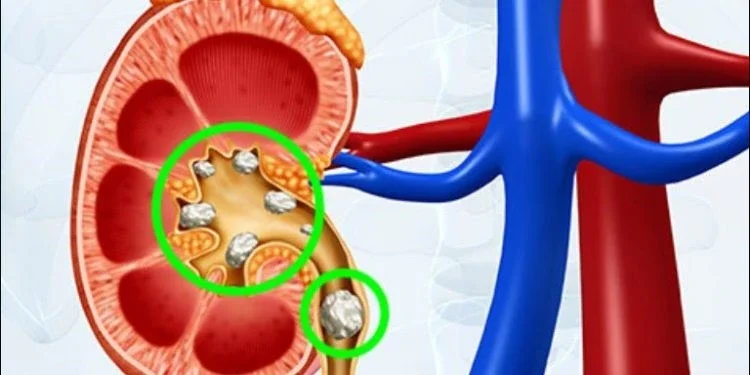
Kidney stones can affect any part of the urinary tract.
This health problem is often accompanied by various symptoms, which can range from mild to severe pain.
The appearance of kidney stones is usually manifested by pain, difficulty urinating, as well as nausea or vomiting.
How can you tell if you have kidney stones?
Among the most common warning signs are a burning sensation when urinating, blood in the urine, and pain in the abdominal area or upper back. In such cases, consulting a doctor is advised.
To treat this problem, modern medicine offers medications that help relax the muscles and relieve pain, allowing the stones to pass naturally. In some cases, the doctor may also recommend preventive therapy to avoid the formation of new stones.
Is surgery necessary?
When stones reach a considerable size and pose a risk, surgery becomes necessary. Today, minimally invasive methods are available, such as lithotripsy, which breaks up stones from outside the body; ureteroscopy, which breaks them up with a laser; and percutaneous ultrasonic lithotripsy, performed through a small incision in the upper back under general anesthesia.
Can the recurrence of stones be prevented?
As for prevention, people who have previously had kidney stones are highly likely to experience a recurrence within ten years. Specialists recommend identifying risk factors and following a healthy lifestyle and diet to reduce the likelihood of their recurrence.