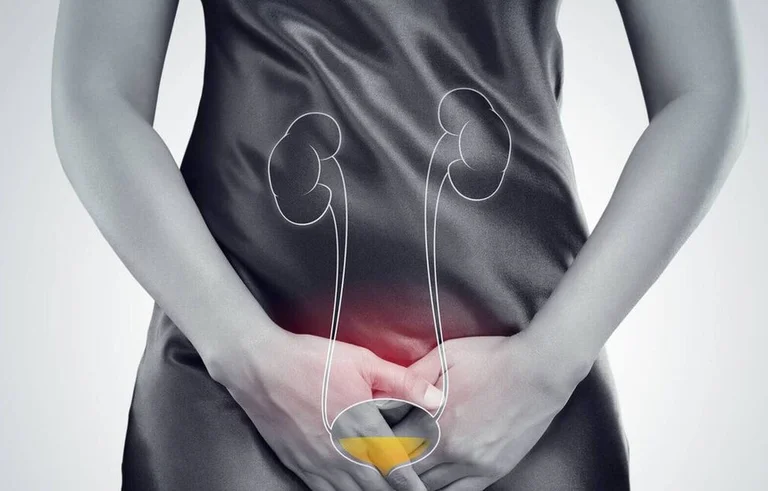
A day after surgery for kidney stones, a urologist experienced a frightening situation himself: he couldn’t urinate, even though he felt his bladder was full.
“I felt trapped, panicked and helpless. After five minutes, which felt like five hours, I finally started urinating,” he said, CNN reported.
The cause was not the bladder itself, but constipation caused by medication after surgery. Once this problem was resolved, the bladder relaxed and everything worked normally.
The doctor said that in many cases, difficulty urinating is temporary, but for many other people, it is a serious problem that affects their quality of life.
Why you may be unable to urinate
The problem may be “urinary retention,” when the bladder is full but does not empty, or the false feeling that you need to go to the bathroom even though the bladder is empty. For normal urination, the bladder muscles must contract while the outlet (the bladder neck and urethra) must relax. If there is an obstruction, the muscles are weak, or the nerve signals are not working, urine cannot flow out.
This problem occurs more often in men over 50, mainly because of an enlarged prostate.
According to studies, after age 70, around 1 in 10 men develop acute urinary retention, while after 80, nearly 1 in 3 do. It is much rarer in women, with only 3 cases per 100,000 each year.
Other causes include constipation (which changes the angle of the bladder neck), medications, certain antidepressants and painkillers. Urinary stones, urethral strictures, infections or bleeding can block the outlet. In people with neurological diseases such as multiple sclerosis, diabetes, spinal cord injuries or strokes, the nerves that control the bladder may be damaged.
When you should be concerned
A weak stream or interrupted urination is often an annoying problem, but not an emergency. But if you cannot urinate at all, your bladder feels very full, your abdomen is swollen and you get no results even after having a bowel movement, this is an emergency.
“Go to the emergency room immediately. You may need a catheter inserted to empty the bladder and protect the kidneys,” the urologist explained.
He added that some patients have no symptoms at all, but examinations show hundreds of milliliters of urine left inside the bladder. This “silent retention” is just as dangerous, as it increases the risk of infections and long-term damage.
How urologists find the cause
The first step is to determine whether the bladder is full and not emptying, or whether the urge to urinate is false. This is done with blood and urine tests, measuring the urine left after urination, examinations using devices that measure flow, or, in certain cases, with a camera (cystoscopy) to see whether there is a blockage.
“Recently, I saw a young man who had serious problems urinating. A camera showed that he had a narrowing of the urethra that was obstructing the flow,” the doctor said.
In acute cases, the immediate treatment is inserting a catheter. But most patients have milder symptoms that improve if they are detected early.
What you can do yourself
Watch out for signs such as a weaker stream, straining, or frequent nighttime trips to the bathroom. Don’t dismiss them as “just getting old.” Review the medications you take, drink enough water and don’t neglect constipation.
“Don’t be embarrassed to talk to your doctor about this problem. It is your body’s way of asking for help. In my case, the cause was simple and was resolved quickly. But for many others, it can be more complex, due to an obstruction, a nerve problem or even a medication side effect. Early detection makes all the difference,” the urologist concluded.