
As we age, many of us become more aware of the importance of maintaining healthy muscles and strong bones. While regular exercise plays a key role, a nutrient-rich diet is equally essential.
Recently, prunes have attracted considerable attention from scientists for their potential health benefits.
Dr. Mary Jane De Souza of Pennsylvania State University is studying how prunes may help maintain muscle mass and bone density, especially in women over 45 who are experiencing changes related to menopause.
The natural loss of muscle mass and decline in bone density affect physical strength, balance and resistance to injuries. That is why many people over 45 seek simple and effective ways to maintain their vitality, and nutrition is one of the most accessible tools.
Prunes are rich in vitamins, fiber and polyphenols, compounds with antioxidant properties that support cell health, including that of muscle and bone cells, Telegrafi reports.
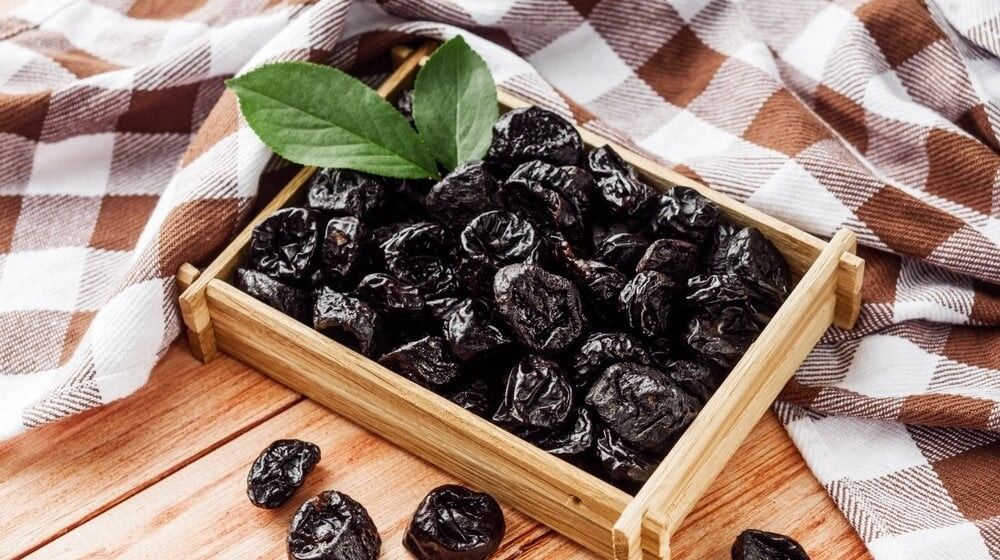
Prunes as an ally for bones and muscles
In addition to their beneficial effects on digestion, prunes contain elements that may help maintain muscle mass and bone strength.
Studies show that eating prunes may increase levels of IGF-1 (insulin-like growth factor), which plays a key role in bone development and muscle growth. Prunes also contain natural sorbitol and organic acids that help regulate blood sugar, providing more sustained energy throughout the day.
The latest scientific findings
“This is the first randomized controlled study to analyze bone structure and strength in three dimensions,” said Dr. De Souza.
In this study, the participants—postmenopausal women—consumed four to six prunes a day. The results showed that this practice helps slow the loss of bone tissue after menopause.
Women who ate prunes regularly maintained more stable bone density, demonstrating the fruit’s potential protective benefits for skeletal health.