Scientists have identified specific types of bacteria found in greater numbers in people with autism
Autism spectrum disorder ASD is a neurodevelopmental condition characterized by reduced social communication and repetitive behaviors. This condition has long intrigued scientists seeking to uncover its underlying mechanisms.
Researchers from the Azrieli Faculty of Medicine of Bar-Ilan University in Israel have now identified a possible link between ASD and the composition of the gut microbiome.
Significant differences in alpha and beta bacteria are observed in people with autism spectrum disorder
The researchers analyzed gut microbiome diversity in an Israeli group of 96 individuals diagnosed with ASD-autism spectrum disorders and 42 neurotypical individuals. Their findings, recently published in the journal npj Biofilms and Microbiomes, show significant differences in alpha and beta diversity in individuals with autism spectrum disorder and identify specific types of bacteria that are more abundant in individuals with autism.
Key findings include an unexpected increase in alpha diversity, a measure of microbial diversity, and a notable increase in the relative abundance of the Bacteriodetes group and the Bacteroides genus in individuals with autism spectrum disorder. Traditionally, reduced alpha diversity has been associated with impaired health in a range of conditions, Telegrafi reports.

Bacteroides in the human gut microbiome can negatively affect health when their numbers increase
However, the increase in alpha diversity observed in the group of subjects with autism spectrum disorders challenges prevailing understandings, particularly given the possible association between bacteria and neurological diseases. Bacteroides, commonly found in the human gut microbiome, can have adverse health effects when they become more abundant.
To investigate the possible functional consequences of these microbiome changes, the researchers conducted experiments with newborn mice. Mice treated with Bacteroides fragilis at birth showed dysfunction in social behavior, an increase in repetitive behaviors, and dysregulation of gene expression.
– Our research shows that an excessive amount of bacteria, especially during early life, can have functional consequences for individuals with ASD. This sheds new light on the complex interaction between the microbiome and neurological development in individuals with autism spectrum disorder – said the study's lead researcher, Professor Evan Elliott of the Azrieli Faculty of Medicine of Bar-Ilan University, who conducted the study in collaboration with Professor Omry Koren, an expert on the microbiome.
Autism spectrum disorder is more common in males
What intrigued the scientists was that these effects were seen mainly in male mice, while female mice showed no behavioral deficits, suggesting that males may be more sensitive to environmental factors that contribute to the development of autism spectrum disorders. In this regard, the research highlights the importance of further research into sex-specific aspects of ASD and the possible role of microbial composition.
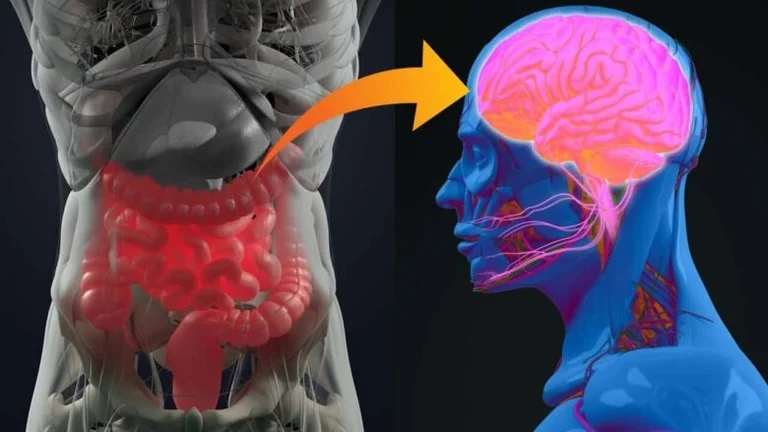
The gut microbiome affects classic neurological diseases such as dementia, Alzheimer's…
The researchers report that the results of this research extend beyond the laboratory, offering possible avenues for further analysis of the long-term effects of microbial interventions during the early stages of development and their implications for brain development./Telegrafi/